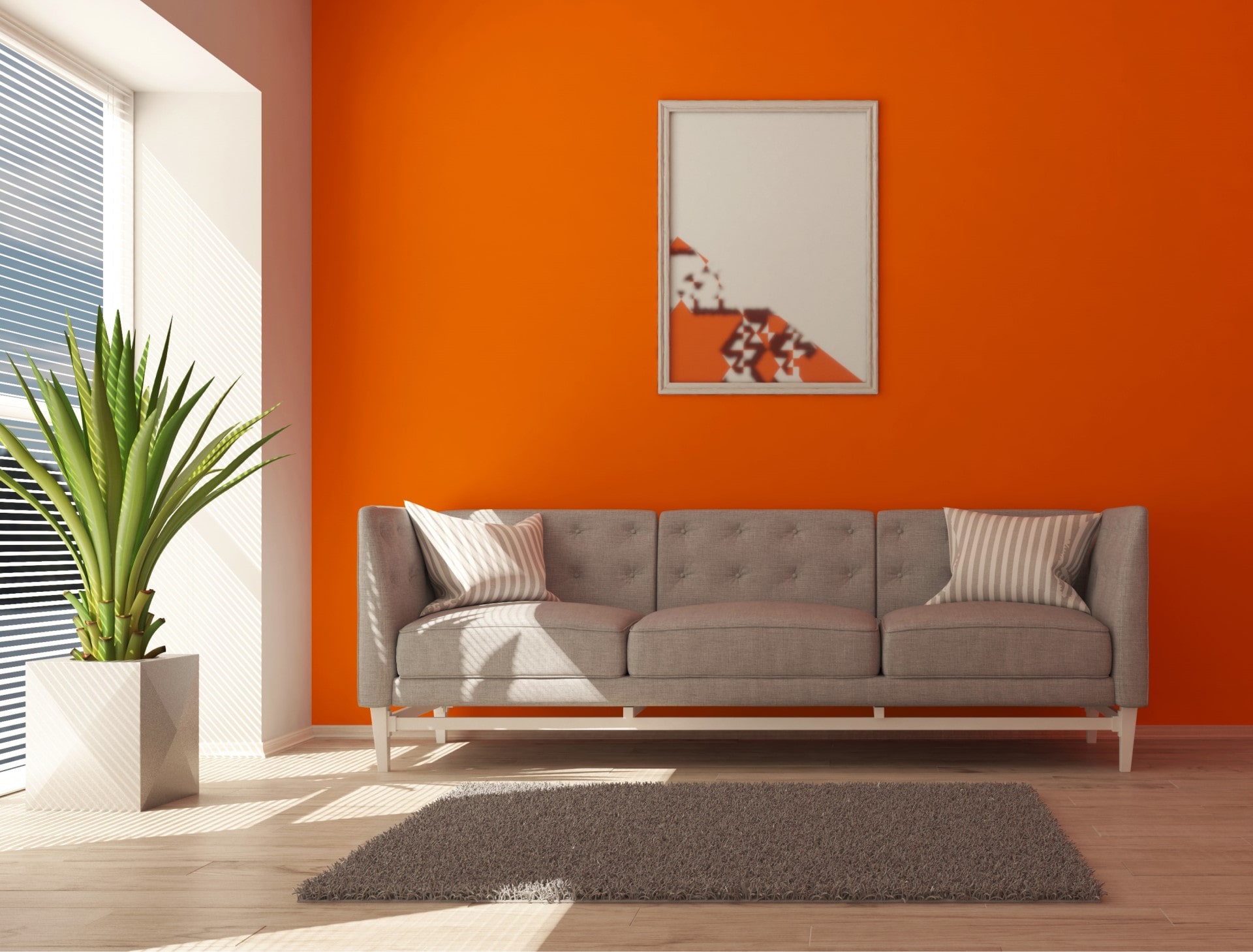
- Remarkable design ideas unfold through a virtual room makeover, transforming spaces effortlessly
- Understanding the Tools and Technologies
- Choosing the Right Software
- Defining Your Style and Creating a Mood Board
- Building a Digital Mood Board
- Optimizing Layout and Furniture Placement
- Using Virtual Tools for Spatial Planning
- Color and Texture: Bringing Your Vision to Life
- Expanding Beyond the Visual: Integrating Smart Home Technology
Remarkable design ideas unfold through a virtual room makeover, transforming spaces effortlessly
The desire for a refreshed living space is universal, but the process of achieving it can often feel daunting. Traditional home renovations involve significant time, expense, and disruption to daily life. Fortunately, technology offers a compelling alternative: a virtual room makeover. This innovative approach allows homeowners to visualize and implement design changes without the commitment of physical renovations, offering a flexible and cost-effective way to transform their homes. It's a growing trend, particularly appealing to those who are hesitant to undertake large-scale projects or are simply unsure where to begin.
A virtual room makeover leverages digital tools – from online design platforms and apps to professional virtual staging services – to create realistic representations of potential changes. This means experimenting with different paint colors, furniture arrangements, and even entire style overhauls, all within the safe space of a digital environment. The beauty of this method lies in its ability to minimize risks and maximize creative exploration. Homeowners can try out bold ideas without the stress of costly mistakes, leading to a more satisfying and personalized final result. This process is becoming increasingly accessible and user-friendly, making it a viable option for a wide range of individuals.
Understanding the Tools and Technologies
The foundation of any virtual room makeover lies in the tools and technologies available. Several user-friendly options cater to different skill levels and budgets. Many online platforms allow users to upload photos of their rooms and then virtually "paint" the walls, swap out furniture, and experiment with décor. These tools often boast drag-and-drop functionality and extensive libraries of products from real retailers, making the design process remarkably realistic. Beyond simple room painting, some software allows for complete 3D renderings, providing a truly immersive experience. The advancements in augmented reality (AR) are also playing a significant role, enabling users to visualize furniture and décor directly within their physical space using their smartphones or tablets.
Choosing the Right Software
Selecting the appropriate software depends on your needs and comfort level. For beginners, simple apps that focus on color changes and basic furniture swaps are ideal. These offer an intuitive interface and require minimal technical expertise. More advanced users may prefer software with greater customization options, allowing for detailed 3D modeling and the ability to incorporate specific product dimensions and textures. Consider factors like price, ease of use, the range of available products, and the quality of the visualizations when making your choice. Don’t hesitate to explore free trials or demos to test different platforms before committing to a purchase. Remember to check compatibility with your device – some software may be designed specifically for tablets or computers.
| RoomSketcher | Free (basic) / Paid (advanced) | Medium | Floor plans, 3D visualizations, furniture library, virtual staging |
| Homestyler | Free | Easy | Room editing, furniture placement, color changes, product links |
| Havenly | Paid (design services) | Medium | Personalized design advice, virtual room design, shopping assistance |
| IKEA Place (AR) | Free | Easy | Augmented reality furniture placement, product visualization |
Utilizing these tools can dramatically streamline the design process, ensuring that you choose furniture and layouts that perfectly suit your space and style. It’s a far cry from the days of relying solely on physical samples and guesswork.
Defining Your Style and Creating a Mood Board
Before diving into the virtual design process, it's crucial to define your style and create a mood board. This serves as a visual guide, ensuring that all your design choices are cohesive and reflect your personal aesthetic. Consider your lifestyle, existing décor, and personal preferences. Do you gravitate towards minimalist designs, cozy bohemian vibes, or classic elegance? Identifying your style early on will prevent you from making impulsive decisions that you may later regret. Don't be afraid to draw inspiration from various sources, such as magazines, Pinterest, Instagram, and design blogs. The goal is to create a visual representation of the atmosphere you want to achieve in your space.
Building a Digital Mood Board
A digital mood board can be easily created using platforms like Pinterest, Canva, or even dedicated mood board apps. Gather images of furniture, paint colors, fabrics, textures, and accessories that appeal to you. Pay attention to color palettes, patterns, and overall themes. Organize your images in a visually appealing layout, and don't be afraid to experiment with different combinations. This process will help you refine your vision and identify any potential clashes or inconsistencies. Consider adding keywords or notes to each image to remind yourself of the specific details you like – such as the color code of a paint swatch or the retailer of a particular sofa.
- Gather inspiration from various sources.
- Focus on color palettes and textures.
- Identify key furniture pieces and accessories.
- Refine your vision through experimentation.
Having a clear mood board will significantly streamline the virtual room makeover process, providing a solid foundation for your design decisions. It’s a step often overlooked, but one that yields significant returns in terms of design coherence.
Optimizing Layout and Furniture Placement
One of the most significant benefits of a virtual room makeover is the ability to experiment with different layouts and furniture arrangements without the physical strain of moving heavy objects. This is particularly helpful in maximizing space and creating a functional flow within your room. Consider the natural traffic patterns, focal points, and how you intend to use the space. Are you prioritizing conversation areas, home entertainment, or a quiet reading nook? Virtual tools allow you to easily move furniture around, test different configurations, and visualize the impact on the overall room dynamic. Don’t underestimate the power of negative space – leaving adequate room for movement is just as important as filling the space with furniture.
Using Virtual Tools for Spatial Planning
Many virtual design platforms offer features specifically designed for spatial planning. These tools allow you to create a 2D or 3D model of your room, accurately representing the dimensions and existing features. You can then drag and drop furniture into the space, experimenting with different arrangements and visualizing the results in real time. Pay attention to scale – ensuring that furniture pieces are proportionally sized to the room. Consider factors like window placement, door openings, and the location of electrical outlets when planning your layout. Virtual tools can also help you identify potential bottlenecks or awkward spaces, allowing you to adjust your arrangement accordingly.
- Create a 2D/3D model of your room.
- Accurately represent dimensions and features.
- Experiment with furniture arrangements.
- Visualize the impact of different configurations.
This stage is crucial for optimizing the functionality and flow of your space, ensuring that it meets your needs and enhances your lifestyle. It also helps you avoid costly mistakes when purchasing new furniture that doesn't quite fit or disrupt the room's usability.
Color and Texture: Bringing Your Vision to Life
Color and texture are fundamental elements of interior design, capable of dramatically altering the mood and ambiance of a room. A virtual room makeover allows you to explore a wide range of color palettes and textures without the commitment of painting or redecorating. Experiment with different wall colors, flooring options, and fabric choices to see how they interact with the existing light and furniture. Consider the psychological effects of different colors – warm tones like red and orange can create a cozy and inviting atmosphere, while cool tones like blue and green can promote a sense of calm and relaxation. Texture adds depth and visual interest to a space, so don’t be afraid to incorporate a variety of materials – such as wood, metal, glass, and fabric.
The interplay of light and color is especially important. Consider how natural light will affect the appearance of colors throughout the day. Virtual tools can often simulate different lighting conditions, allowing you to see how your color choices will look at various times. Remember that colors can appear differently on a screen than they do in reality, so it’s always a good idea to order paint samples or fabric swatches before making any final decisions. It’s about creating a harmonious balance and a space that feels authentically you.
Expanding Beyond the Visual: Integrating Smart Home Technology
The evolution of virtual room makeovers isn’t just about aesthetics; it’s increasingly about integrating technology to enhance functionality and convenience. Consider how smart home devices can be incorporated into your design. This could include smart lighting systems, automated window treatments, or voice-controlled entertainment centers. Visualizing these integrations within the virtual environment can help you plan the placement of outlets, wiring, and other necessary infrastructure. The ability to control lighting, temperature, and entertainment systems with a simple voice command can transform a room from simply beautiful to truly smart and responsive to your needs. This forward-thinking approach adds another layer of value to the virtual makeover process.
Think about the possibilities beyond aesthetics. Can you virtually model the placement of smart speakers for optimal sound distribution? Can you visualize the impact of automated blinds on natural light and energy efficiency? A virtual room makeover can extend beyond visual changes, becoming a comprehensive plan for a more connected and comfortable home. It’s about future-proofing your space and creating a living environment that adapts to your evolving lifestyle.